Last updated on August 27th, 2026 at 01:44 pm
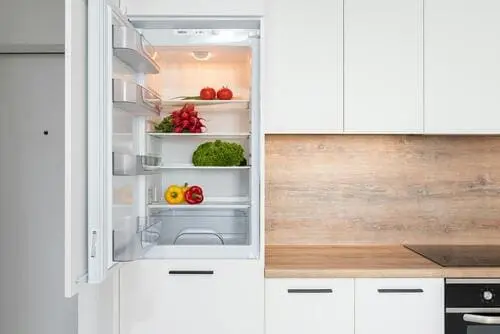
When it comes to food safety, refrigeration plays a crucial role in preventing foodborne illnesses and allergic reactions. For individuals with food allergies, ensuring that food is stored properly is even more critical. This article will delve into how refrigeration can help you keep your food safe, especially if you or someone in your household has allergies. By following these tips, you can reduce the risk of cross-contamination and enjoy peace of mind knowing that your food is stored in the safest way possible.
Understanding Food Allergies and Cross-Contamination
Before diving into refrigeration tips, it’s essential to understand what food allergies are and how cross-contamination occurs. Food allergies are an immune system response to a particular food protein that the body mistakenly identifies as harmful. Common allergens include peanuts, tree nuts, dairy, eggs, soy, wheat, fish, and shellfish. Even a small amount of these allergens can trigger a severe reaction in some individuals.
Cross-contamination happens when an allergen is unintentionally transferred from one food to another, making the previously safe food unsafe. This can occur through direct contact, such as when allergen-containing foods touch non-allergen foods, or indirectly, through shared utensils, surfaces, or even air particles.
Given the risks associated with food allergies, taking extra precautions in food storage is vital. Refrigeration is a key component of these precautions, helping to minimize the chances of allergen exposure. our reference on compressor fundamentals goes into this properly.
The Importance of Proper Refrigeration
Refrigeration is one of the most effective methods to slow down the growth of harmful bacteria and keep food safe for consumption. For individuals with food allergies, proper refrigeration is not just about preventing spoilage; it’s also about preventing cross-contamination. By maintaining an organized and well-functioning refrigerator, you can significantly reduce the risk of allergens spreading to safe foods.
Let’s explore some essential refrigeration tips that can help you keep your food safe, especially in an allergy-sensitive household.
1. Organize Your Refrigerator to Prevent Cross-Contamination
One of the first steps in ensuring food safety in your refrigerator is proper organization. This is especially important in households where both allergenic and non-allergenic foods are stored. Here’s how you can organize your fridge to prevent cross-contamination:
- Top Shelf for Allergen-Free Foods: Store allergen-free foods on the top shelves of your refrigerator. This helps prevent any drips or spills from allergen-containing foods above, contaminating them.
- Middle Shelf for Allergenic Foods: Store foods containing allergens on the middle shelves. Use clear, labeled containers to separate them from allergen-free foods.
- Bottom Shelf for Raw Meats and Seafood: Keep raw meats and seafood on the bottom shelf in sealed containers. This prevents their juices from contaminating other foods and minimizes the risk of allergen exposure.
- Crisper Drawers for Fresh Produce: Store fresh fruits and vegetables in the crisper drawers. If you have two drawers, use one for allergen-free produce and the other for produce that might have come into contact with allergens.
By organizing your refrigerator in this way, you create a clear separation between allergen-containing and allergen-free foods, reducing the chances of cross-contamination.
2. Use Airtight Containers and Labels
Proper storage containers are another critical component in preventing cross-contamination in your refrigerator. Airtight containers keep foods fresh and prevent allergens from spreading. When storing foods, especially leftovers, in your refrigerator, use airtight containers made of glass or BPA-free plastic. This not only helps keep your food safe but also prevents the spread of odors that could affect other foods.
Labeling your containers is equally important. Clearly mark each container with the contents and the date it was stored. If you have allergenic and non-allergenic versions of the same food (e.g., regular bread and gluten-free bread), make sure to label them accordingly. This practice reduces the risk of accidentally consuming the wrong food.
3. Maintain the Right Temperature
Keeping your refrigerator at the correct temperature is vital for food safety. The U.S. Food and Drug Administration (FDA) recommends setting your refrigerator to 40°F (4°C) or below. This temperature slows the growth of bacteria and helps preserve the freshness of your food.
For individuals with food allergies, it’s crucial to maintain this temperature consistently. Fluctuations in temperature can lead to spoilage, increasing the risk of foodborne illnesses, which can be particularly dangerous for those with compromised immune systems. Additionally, avoid overloading your refrigerator, as this can impede air circulation and cause uneven cooling.
4. Clean Your Refrigerator Regularly
A clean refrigerator is essential for preventing cross-contamination and ensuring food safety. Spills, leaks, and crumbs can easily spread allergens throughout your fridge, making it unsafe for those with food allergies. Regular cleaning helps eliminate this risk.
Here’s how to clean your refrigerator effectively:
- Weekly Wipe-Down: Wipe down shelves, drawers, and walls of your refrigerator with a mixture of warm water and mild dish soap. Pay special attention to areas where spills or leaks have occurred.
- Monthly Deep Clean: Once a month, remove all items from your refrigerator and give it a thorough cleaning. Use a solution of one part vinegar to one part water to disinfect surfaces. Vinegar is a natural disinfectant and helps eliminate odors.
- Check for Expired Foods: During your deep clean, check for expired or spoiled foods and discard them. This helps prevent the spread of bacteria and allergens.
By keeping your refrigerator clean, you reduce the chances of cross-contamination and ensure that your food is stored in a safe environment.
5. Designate Allergen-Free Zones
In households with severe food allergies, it may be necessary to designate specific areas of the refrigerator as allergen-free zones. These areas should be reserved for foods that are completely free of allergens, ensuring that they remain safe for consumption.
To create an allergen-free zone:
- Use a Separate Drawer: If possible, dedicate one of your refrigerator’s crisper drawers or an entire shelf to allergen-free foods. This area should be clearly labeled to prevent any confusion.
- Color-Coded Containers: Consider using color-coded containers or labels to distinguish allergen-free foods from others. This visual cue makes it easier for everyone in the household to identify safe foods quickly.
- Communicate with Household Members: Ensure that everyone in the household is aware of the allergen-free zone and understands its importance. Encourage them to respect this space and avoid placing allergenic foods in this area.
Designating allergen-free zones in your refrigerator is a proactive way to safeguard the health of those with food allergies.
6. Be Mindful of Shared Appliances
In addition to organizing your refrigerator, it’s essential to be mindful of shared appliances, such as blenders, toasters, and microwaves. These appliances can easily become a source of cross-contamination if not cleaned thoroughly between uses.
For example, if you’re using a blender to prepare a smoothie, make sure it’s thoroughly cleaned before making an allergen-free version. Similarly, consider using a separate toaster for allergen-free bread or using toaster bags to prevent cross-contamination.
Taking extra care with shared appliances can make a significant difference in maintaining a safe environment for individuals with food allergies.
7. Check Food Labels Carefully
When stocking your refrigerator, always check food labels carefully to ensure that the products you’re purchasing are safe for those with allergies. Food manufacturers are required to list common allergens on their packaging, so take the time to read labels thoroughly.
Look out for statements such as “may contain traces of [allergen]” or “manufactured in a facility that processes [allergen].” These warnings indicate a risk of cross-contamination during production, which could be dangerous for individuals with severe allergies.
If you’re unsure about a product, it’s best to err on the side of caution and avoid it altogether. There are many allergen-free alternatives available, so you don’t have to compromise on safety.
8. Educate Your Family and Guests
Finally, one of the most effective ways to keep your food safe in the refrigerator is by educating your family members and guests about food allergies and the importance of preventing cross-contamination. Make sure everyone understands the risks and knows how to handle food safely.
If you have guests staying over or family members who aren’t familiar with food allergies, take the time to explain the precautions you take in your household. This includes how to store food, clean appliances, and avoid cross-contamination. By fostering a culture of awareness and respect, you can create a safer environment for everyone.
Conclusion: Safe Refrigeration Practices for Allergy Management
Keeping your food safe in the refrigerator is essential for preventing foodborne illnesses and allergic reactions. By organizing your fridge, using airtight containers, maintaining the right temperature, cleaning regularly, and designating allergen-free zones, you can significantly reduce the risk of cross-contamination. Additionally, being mindful of shared appliances, checking food labels carefully, and educating your family and guests about food allergies are all important steps in safeguarding your household.
With these tips, you can create a safe and organized refrigerator environment that supports the health and well-being of everyone in your home. Whether you’re managing food allergies or simply want to ensure the highest level of food safety, these practices will help you keep your food fresh, safe, and free from contaminants.

[…] before the modern refrigerator, ancient civilizations explored methods of preserving food using natural ice and underground storage. The concept of cold storage was born out of necessity […]