Last updated on August 27th, 2026 at 01:44 pm

In today’s fast-paced world, where food is transported across vast distances and stored for extended periods, refrigeration plays a pivotal role in maintaining the quality and safety of our food. The refrigeration process ensures that perishable items such as meat, dairy, and fresh produce remain fresh from the point of harvest or production until they reach the consumer’s plate. This article delves into the essential role of refrigeration in the food industry, highlighting its impact on food safety, shelf life, and overall quality.
The Historical Evolution of Refrigeration in the Food Industry
Before the advent of modern refrigeration, preserving food was a significant challenge. Ancient civilizations relied on methods such as salting, smoking, and drying to extend the shelf life of their food. While these methods were somewhat effective, they often altered the taste, texture, and nutritional value of the food.
The introduction of ice houses in the 18th century marked a significant leap in food preservation. However, it wasn’t until the late 19th and early 20th centuries that mechanical refrigeration systems were developed. These early refrigeration systems allowed for more efficient and controlled cooling, which revolutionized the food industry. Today, refrigeration is an integral part of the global food supply chain, ensuring that food remains fresh, safe, and of high quality.
The Science Behind Refrigeration
Refrigeration works by slowing down the growth of bacteria, molds, and yeasts that cause food spoilage. Most bacteria thrive at temperatures between 40°F and 140°F (4°C and 60°C), commonly referred to as the “danger zone.” By keeping food at temperatures below 40°F (4°C), refrigeration significantly reduces the rate at which these microorganisms multiply, thus extending the shelf life of perishable items.
Moreover, refrigeration helps in retaining the nutritional value, texture, and flavor of food. For example, fruits and vegetables stored at optimal refrigeration temperatures retain their vitamins and minerals better than those stored at room temperature. Similarly, meats and dairy products remain fresher for longer periods when refrigerated, preventing the growth of harmful pathogens such as E. coli and Salmonella. For the full picture, see how compressors work and why they fail.
The Role of Refrigeration in the Supply Chain
Refrigeration is crucial at every stage of the food supply chain, from production to consumption. Let’s explore how refrigeration impacts each stage:
1. Production and Harvesting
At the initial stage of food production, refrigeration is used to cool down freshly harvested produce, freshly caught fish, or freshly slaughtered meat. This immediate cooling helps slow down the metabolic processes that lead to spoilage. For instance, cooling down freshly harvested vegetables and fruits immediately after picking prevents them from ripening too quickly, thus extending their shelf life.
2. Processing and Packaging
During processing and packaging, refrigeration is essential in maintaining the integrity of the food products. For example, in meat processing plants, refrigeration prevents the growth of bacteria on raw meat and extends the time available for processing. Similarly, in the dairy industry, refrigeration is vital in maintaining the freshness of milk and other dairy products during pasteurization, homogenization, and packaging.
3. Transportation and Distribution
One of the most critical stages where refrigeration plays a role is during transportation. Refrigerated trucks, containers, and railcars, commonly known as “reefer” units, are used to transport perishable food items over long distances. These units are equipped with precise temperature controls to ensure that the food remains at the optimal temperature throughout the journey. This is especially important for international trade, where food may need to be transported across continents, sometimes taking several days or even weeks.
4. Storage and Retail
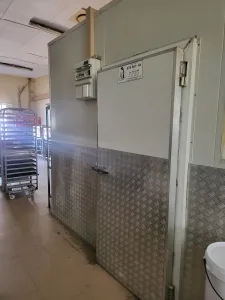
Once the food reaches its destination, it is stored in refrigerated warehouses or retail store coolers until it is ready for sale. Proper refrigeration at this stage is essential to prevent spoilage and ensure that the food remains safe for consumption. Retailers rely heavily on refrigeration systems to display and store perishable items such as meats, dairy, and fresh produce.
5. At the Consumer Level
Finally, refrigeration is equally important at the consumer level. Home refrigerators help extend the shelf life of food, reduce food waste, and ensure that meals prepared at home are safe to eat. Consumers are advised to store perishable items at the correct temperatures and to avoid overloading their refrigerators to allow for proper air circulation.
The Impact of Refrigeration on Food Safety
Food safety is a significant concern in the food industry, and refrigeration is one of the primary tools used to mitigate the risks of foodborne illnesses. By keeping food at low temperatures, refrigeration inhibits the growth of pathogens that can cause serious health issues.
According to the Centers for Disease Control and Prevention (CDC), millions of people in the United States suffer from foodborne illnesses each year, with refrigeration being a key factor in preventing these outbreaks. For example, improper storage of poultry at unsafe temperatures can lead to the growth of Campylobacter and Salmonella, two bacteria responsible for severe foodborne illnesses. By storing poultry at temperatures below 40°F (4°C), the growth of these bacteria is significantly reduced, thereby preventing potential outbreaks.
Moreover, refrigeration is essential for the safe storage of leftovers. When food is left out at room temperature for too long, it enters the “danger zone,” where bacteria multiply rapidly. Refrigerating leftovers promptly helps prevent the growth of harmful bacteria, making the food safe for consumption at a later time.
The Role of Refrigeration in Reducing Food Waste
Food waste is a global issue, with millions of tons of food being discarded each year. Refrigeration plays a critical role in reducing food waste by extending the shelf life of perishable items. By keeping food fresh for longer periods of time, refrigeration allows consumers and businesses to make better use of their food, reducing the amount that goes to waste.
In the retail sector, supermarkets and grocery stores rely on refrigeration to manage their inventory effectively. By keeping perishable items fresh for extended periods, retailers can reduce the amount of food that is discarded due to spoilage. This not only helps reduce food waste but also has a positive impact on the environment by lowering the carbon footprint associated with food production and disposal.
At the consumer level, proper use of home refrigeration can significantly reduce food waste. By organizing their refrigerators and storing food correctly, consumers can make better use of their groceries and reduce the amount of food that ends up in the trash.
Innovations in Refrigeration Technology
As the food industry continues to evolve, so does the technology used in refrigeration. In recent years, there have been several innovations aimed at improving the efficiency and sustainability of refrigeration systems.
1. Energy-Efficient Refrigeration Systems
One of the most significant trends in refrigeration technology is the development of energy-efficient systems. These systems use advanced compressors, improved insulation, and smart controls to reduce energy consumption while maintaining optimal cooling performance. By reducing energy use, these systems not only help in lowering operating costs but also contribute to environmental sustainability by reducing greenhouse gas emissions.
2. Natural Refrigerants
Traditional refrigeration systems have relied on synthetic refrigerants such as chlorofluorocarbons (CFCs) and hydrofluorocarbons (HFCs). However, these chemicals have been found to have a significant impact on the environment, contributing to ozone depletion and global warming. As a result, there has been a shift towards using natural refrigerants such as ammonia, carbon dioxide, and hydrocarbons, which have a lower environmental impact.
3. Smart Refrigeration Technology
The integration of smart technology in refrigeration systems is another innovation that is transforming the food industry. Smart refrigerators equipped with sensors and IoT (Internet of Things) connectivity allow for real-time monitoring of temperature and humidity levels, ensuring that food is stored at optimal conditions. These systems can also send alerts in the event of temperature fluctuations, preventing potential spoilage and ensuring food safety.
Conclusion
Refrigeration is an indispensable component of the food industry, playing a vital role in maintaining the quality, safety, and freshness of food. From the moment food is harvested or produced to the time it reaches the consumer, refrigeration ensures that perishable items remain in optimal condition. Moreover, refrigeration helps in reducing food waste, promoting food safety, and contributing to environmental sustainability through innovations in technology.
As the food industry continues to evolve, the importance of refrigeration will only grow. With ongoing advancements in refrigeration technology, the industry is poised to become even more efficient and sustainable, ensuring that the food we consume remains safe, fresh, and of the highest quality.






[…] are also common, which can compromise the quality of stored products, especially in sensitive industries like food and […]
[…] areas had access to fresh produce and essential nutrients. Moreover, it enabled the growth of the food industry, with refrigerated trucks and storage facilities becoming essential components of our modern supply […]
[…] improving indoor air quality. Refrigeration systems, on the other hand, find widespread use in the food industry, healthcare facilities, research laboratories, and other locations where precise temperature […]