Refrigeration

Common Causes of Refrigeration Gas Leaks

3 min read

Refrigeration systems—whether in homes, supermarkets, or cold rooms—rely on refrigerant gas to keep things cold. But when a leak occurs, cooling performance drops, electricity bills rise, and expensive damage can follow.

At Paradigm Cooling, we’ve seen countless cases across Claremont, Wynberg, Rondebosch, and Tokai where a small leak became a big problem. Knowing the causes of gas leaks helps you spot issues early and avoid costly breakdowns.

Refrigeration

How to Spot Refrigeration Compressor Problems Early

2 min read

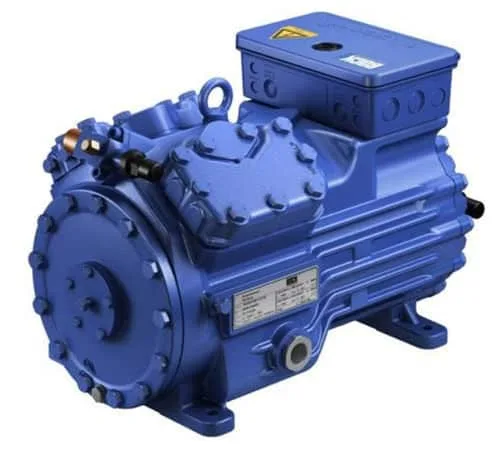
The compressor is the heart of any refrigeration system. Whether it’s your home fridge, a supermarket cold room, or a commercial freezer, the compressor keeps things cool.

But compressors are expensive to replace. The good news? Early detection of problems can save you thousands. At Paradigm Cooling, we’ve repaired compressors across Tokai, Wynberg, Claremont, and Rondebosch, helping clients avoid total system failure

Refrigeration Technical

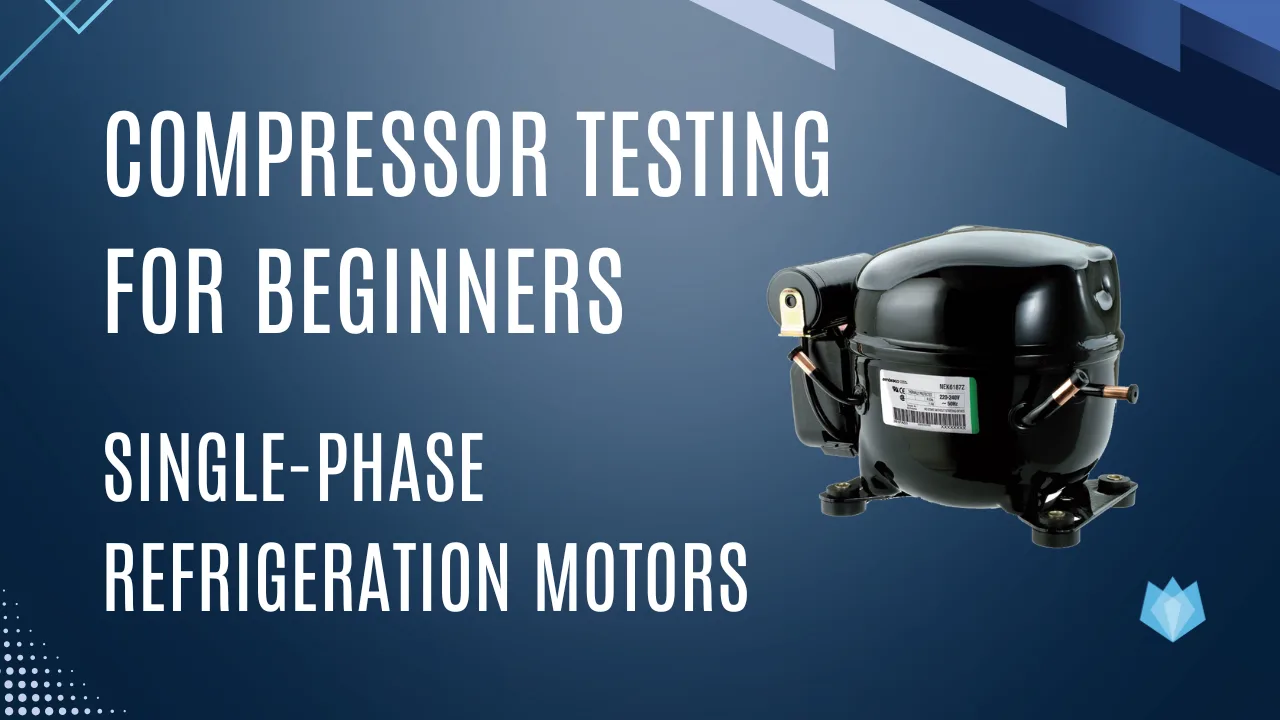
How to Test a Single-Phase Compressor (Without a Wiring Diagram)

3 min read

Still guessing which compressor terminal is which? Don’t worry — whether you’re an HVACR technician or a hands-on DIYer, this step-by-step guide will show you how to test a single-phase domestic refrigeration compressor — the right way — even if you don’t have a wiring diagram.

Refrigeration

The Internet of Things (IoT) and Refrigeration: A Marriage of Technologies

8 min read

In recent years, the Internet of Things (IoT) has rapidly emerged as a transformative technology, reshaping various industries. From healthcare to smart homes, IoT is helping businesses optimize efficiency, streamline operations, and improve overall performance. One such industry benefiting immensely from this marriage of technology is refrigeration. The fusion of IoT with refrigeration systems is revolutionizing how we manage and monitor cooling systems, offering increased energy savings, better maintenance, and enhanced safety.

Refrigeration Technical

Superheat vs. Subcooling: Which Is Better for Measuring Refrigerant Charge in Refrigeration Systems?

7 min read

When it comes to maintaining refrigeration systems, one of the most critical factors is ensuring the correct refrigerant charge. Without proper charging, the system’s efficiency, performance, and lifespan can be significantly impacted. Two key concepts often debated in the refrigeration industry when it comes to measuring refrigerant charge are superheat and subcooling. Both methods are important, but each has distinct applications, strengths, and limitations. This article will explore the differences between superheat and subcooling, how they work, and which is better for measuring refrigerant charge in refrigeration systems.

Refrigeration Technical

Symptoms of an Overcharged Refrigeration System: A Comprehensive Guide

7 min read

Refrigeration systems are essential in many industries, from food preservation to manufacturing processes. For optimal performance, these systems require careful monitoring and maintenance, especially when it comes to refrigerant levels. One of the most common issues technicians face is an overcharged refrigeration system, where the amount of refrigerant exceeds the system’s capacity. An overcharge can lead to significant problems, reducing system efficiency and potentially causing long-term damage. This article explores the symptoms of an overcharged refrigeration system, helping you identify issues early and avoid costly repairs.

Refrigeration

Refrigerants R600 and R290 Explained: A Comprehensive Guide to Safe and Efficient Cooling

7 min read

The refrigeration industry has evolved significantly over the years, driven by the demand for more energy-efficient and environmentally friendly systems. With growing concerns about climate change and the environmental impact of refrigerants, choosing the right refrigerant for commercial and domestic systems is crucial. In this article, we will delve into two popular hydrocarbon refrigerants: R600a (isobutane) and R290 (propane). We will explore their characteristics, applications, safety measures, and how they compare to traditional refrigerants.