
Last updated on August 27th, 2026 at 01:44 pm

Understanding Air Conditioner Power Consumption
When summer’s heat hits, your air conditioning becomes a lifeline, but have you pondered its energy appetite? Understanding how much electricity it consumes can help you manage your energy bills and environmental impact more effectively.
The Basics: Grasping Air Conditioner Electricity Consumption
Air conditioners consume electricity to run compressors, fans, and other components, but how much exactly? The energy consumption of an air conditioner is typically measured in watts or kilowatts (kW). For example, a window unit might consume around 500 to 1500 watts, while a central air conditioning system could use anywhere from 3000 to 5000 watts or more.
Factors at Play: What Influences Air Conditioner Energy Usage?
Size matters: Larger units cool more air but consume more power, impacting your energy bill. When selecting an air conditioner, it’s crucial to choose the right size for your space to avoid overworking the unit and wasting electricity. We cover this in more depth in how air conditioning systems are installed and commissioned.
Temperature settings: Cranking it lower doesn’t just freeze you faster; it cranks up energy usage. Every degree lower on your thermostat can increase energy consumption by about 3–5%. Finding the optimal temperature setting for comfort without overburdening your air conditioner is key to managing electricity usage.
Energy Efficiency: The Key to Lowering Air Conditioner Electricity Consumption
Invest in energy-efficient units boasting higher SEER (Seasonal Energy Efficiency Ratio) ratings for long-term savings. SEER ratings indicate the efficiency of an air conditioner—the higher the SEER rating, the more efficient the unit is and the less electricity it will consume to cool your space.
Proper sizing and installation ensure optimal performance, trimming unnecessary power consumption. A properly sized and installed air conditioner will operate more efficiently, reducing energy waste and saving you money on your utility bills.
Regular Maintenance: Keeping Air Conditioner Power Usage in Check
Dirty filters, clogged ducts, and leaky seals strain the system, elevating energy consumption. Regular maintenance tasks such as cleaning or replacing filters, clearing debris from outdoor units, and sealing duct leaks can improve airflow and efficiency, reducing the amount of electricity your air conditioner needs to operate effectively.
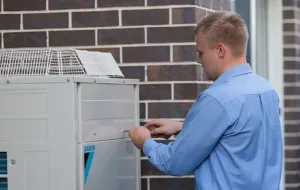
Scheduled inspections and cleanings by professionals uphold efficiency and curb power demands. Professional HVAC technicians can perform comprehensive inspections and tune-ups to ensure your air conditioner is running at peak efficiency, saving you money on energy costs in the long run.
Alternative Cooling Solutions: Exploring Options Beyond Conventional Air Conditioners
Evaporative coolers and heat pumps offer energy-efficient alternatives tailored to specific needs and climates. Evaporative coolers use water to cool the air, consuming less electricity than traditional air conditioners. Heat pumps are versatile systems that can both heat and cool your home efficiently, offering year-round comfort with lower energy consumption.
Smart thermostats enable precise temperature control, reducing wasteful usage and promoting energy savings. Programmable thermostats allow you to set customized cooling schedules based on your lifestyle, ensuring your air conditioner operates only when needed, reducing energy waste and lowering your electricity bills.
Calculating Consumption: Estimating Your Air Conditioner’s Electricity Usage
Refer to your unit’s specifications for wattage, multiply by hours of operation, and divide by 1000 for kWh. Calculating your air conditioner’s electricity usage can help you estimate your monthly energy expenses and identify opportunities for energy savings.
Online calculators simplify the process, allowing you to gauge monthly energy expenses accurately. Many utility companies offer online calculators or tools to help customers estimate their energy usage and costs, providing valuable insights into ways to reduce electricity consumption and save money.
Environmental Impact: Considering the Carbon Footprint of Air Conditioner Power Consumption
Excessive electricity consumption not only hits your wallet but also contributes to carbon emissions, impacting the environment. By reducing your air conditioner’s electricity usage, you can lower your carbon footprint and help mitigate climate change.
Opting for eco-friendly refrigerants and energy-saving practices mitigates your air conditioner’s environmental footprint. Choosing air conditioners that use environmentally friendly refrigerants and implementing energy-saving practices such as proper maintenance and temperature control can help minimize the environmental impact of your cooling system.
Practical Tips: How to Lower Your Air Conditioner’s Electricity Usage
Set temperature moderately to strike a balance between comfort and efficiency. Keeping your thermostat set at a moderate temperature—ideally around 78°F during the summer months—can help reduce your air conditioner’s electricity usage while still keeping you comfortable indoors.
Utilize ceiling fans to distribute cool air efficiently, reducing reliance on the air conditioner. Ceiling fans can help circulate cool air throughout your home, allowing you to raise the thermostat setting on your air conditioner and reduce energy consumption without sacrificing comfort.
Conclusion: Navigating Air Conditioner Electricity Usage
In the quest for comfort, understanding and managing your air conditioner’s electricity usage is paramount. By embracing energy-efficient HVAC practices and exploring alternative cooling solutions, you can stay cool without breaking the bank or harming the planet.
Understanding the factors that influence air conditioner energy consumption, such as size, temperature settings, and maintenance, can help you make informed decisions to lower your electricity bills and reduce your environmental impact. With the right knowledge and strategies, you can enjoy a cool and comfortable home while minimizing your air conditioner’s electricity usage.


[…] Efficiency Ratio (SEER) ratings. Higher SEER ratings indicate more energy-efficient units, reducing operating costs. The Energy Star label is another indicator of […]